
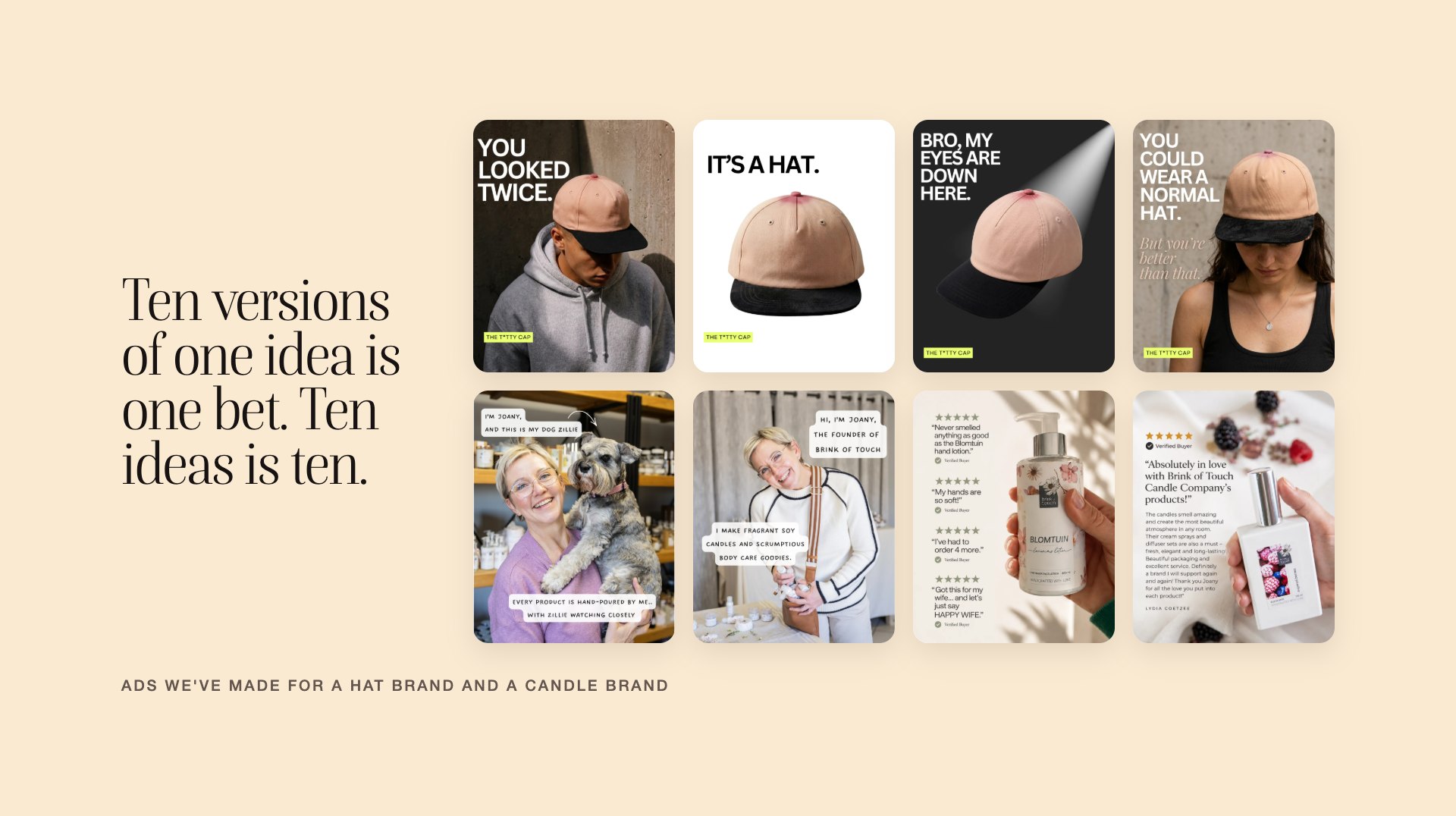
Creative strategy is the work of deciding what your ads should say, and to whom, before anyone opens a design tool or picks up a camera. On Meta it has become most of the job, because the platform now decides who sees an ad largely from what is in it. This is how we do it, with ads we have made as the examples.
What is creative strategy?
It answers four questions about a product. Who buys it? Why do they buy it? What would make them stop scrolling? How will we know which answer was right?
What comes out of it is a set of briefs and a test plan. Making the ads comes next, and running them, which is media buying, comes after that. When the first step is skipped, the people making the ads and the person buying the media are both guessing.
Why it matters more than it used to
A few years ago you told Meta who to show an ad to. Women between 25 and 40 who like yoga, for example. Most accounts now run broad and let Meta choose.
Meta's engineers have written about Andromeda, the system that picks which ads are candidates for each person out of a very large pool. What it has to go on is the ad itself: the picture, the words and the offer. An ad that makes clear who it's for gets shown to those people.
Ten versions of one idea is one bet. Ten ideas is ten.
The five parts of ours
- Customer research. We read your reviews, your customer emails and your competitors' ads in the Meta Ad Library until we can say who buys and why, in the words buyers use.
- Angles. An angle is one reason to buy. A candle can be a gift, a treat for yourself, or a way to make the lounge smell of orange blossom. Each one gets written up as a message we can test.
- Hooks and scripts. The first line of a static and the first second of a video decide whether the rest gets seen. We write several for each angle.
- Briefs. One page per ad: the format, what is in the picture, and what it has to say.
- A test plan. Which ads run first, what we're watching for, and what happens to the ones that sell.
That list is also what you get from our creative strategy service.
One product, four angles
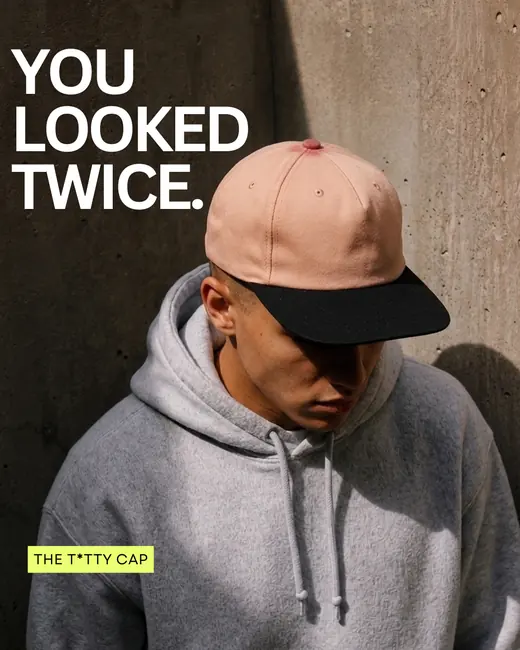
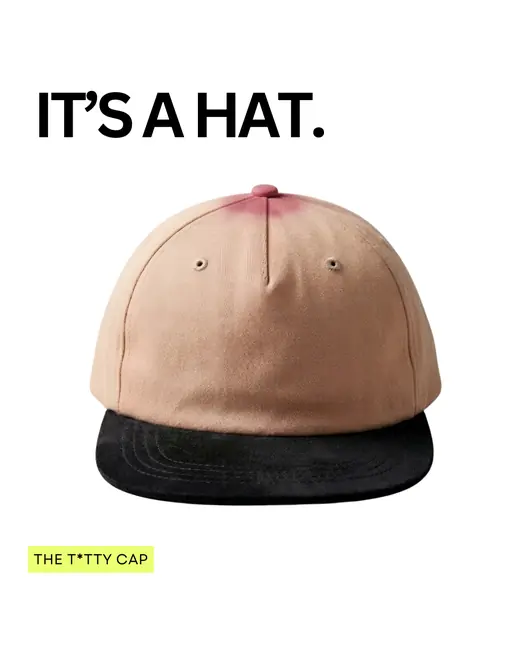
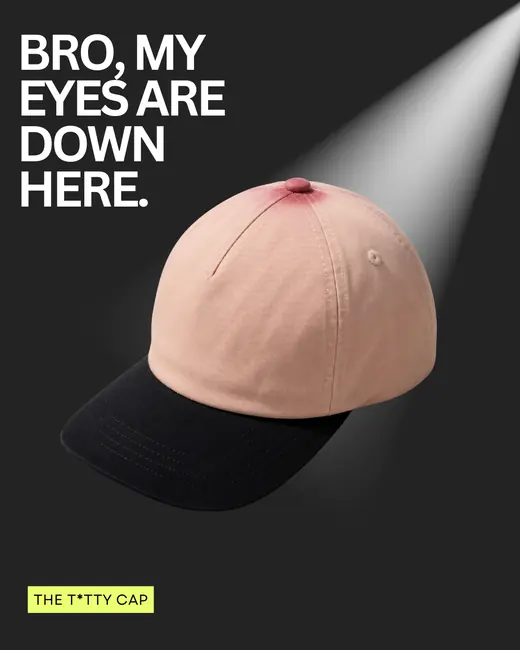
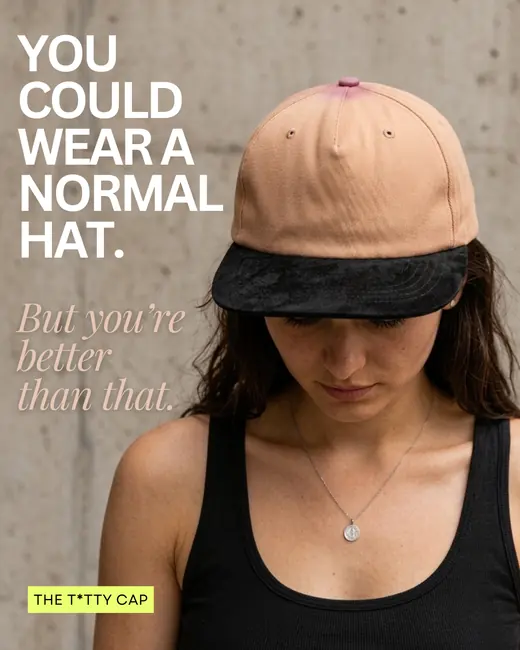
Four ads for one novelty hat, each built on a different reason to stop.
"You looked twice." is about the reaction the hat gets from other people. "It's a hat." plays it straight and lets the product be the joke. "Bro, my eyes are down here." is the hat telling the joke itself. "You could wear a normal hat." is about the kind of person who would wear one.
It's the same product on the same budget, and each ad is likely to stop a different person. We didn't know which would win before they ran. The plan exists so that the account can tell us.
One angle, several formats
An angle is the reason. A format is how the ad shows it. These four are for a candle and body care brand, and they cover two angles.
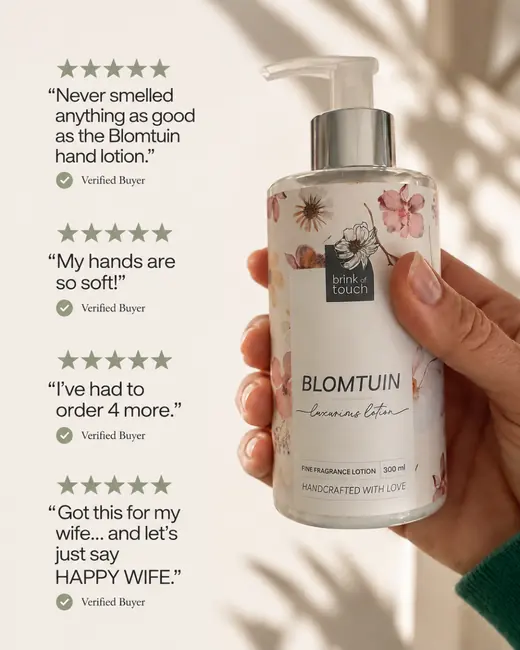
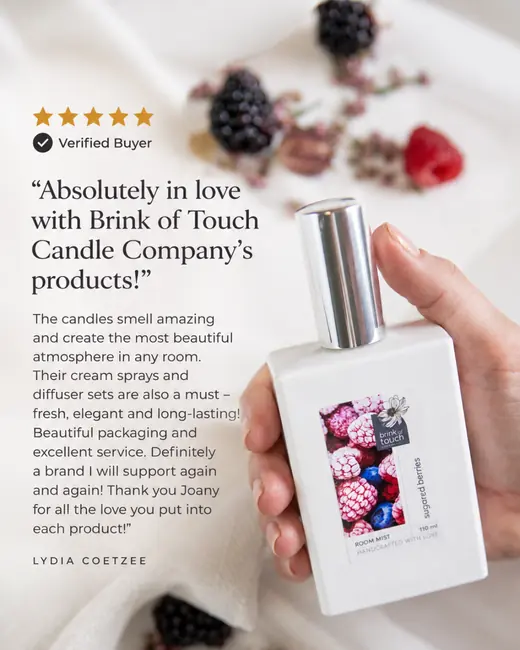
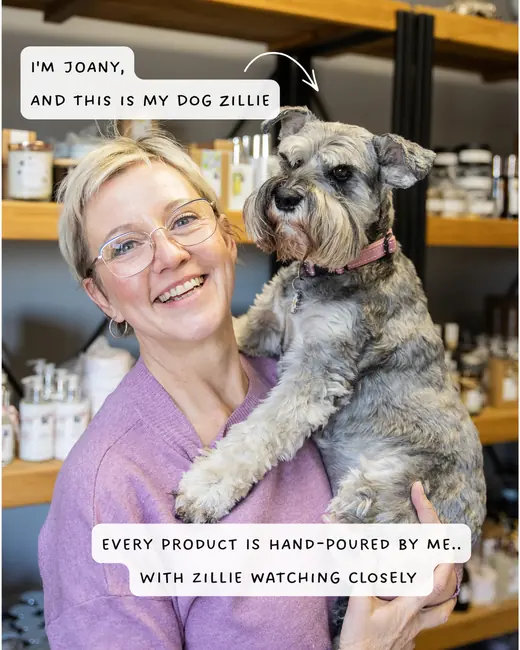
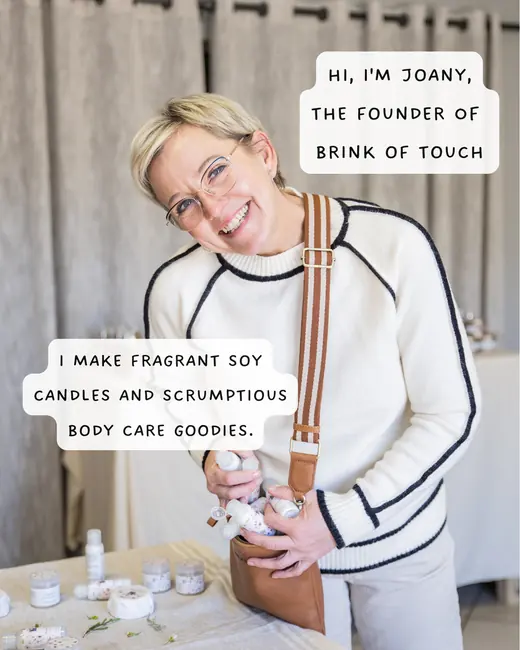
Left two: what other buyers said. Right two: the person who makes it.
The first pair is proof. One stacks four short reviews next to the product, the other gives a single long review the whole frame. The second pair introduces the founder, once with her dog in the workshop and once with the range. If proof turns out to be the angle that sells, we make more proof ads in new formats and leave the angle alone.
How to start one yourself
- Read your last 50 reviews and mark the phrases that keep coming up.
- Write down three different reasons people gave for buying.
- Make one ad for each reason, with a different picture and a different first line.
- Run them together in one ad set for a week. Our post on small budgets has the set-up.
- Make more ads like the one that sold.
More of the ads we have made are on the ads page.